

The year 2026 marks a definitive shift in how we interact with our living spaces. The “Smart Home” is no longer a collection of disconnected gadgets controlled by multiple apps; it has evolved into a cohesive, AI-driven ecosystem that proactively manages the health, efficiency, and security of our residences. For homeowners and premium renters in North America and Europe, this integration has moved from a luxury convenience to a fundamental component of residential value and personal peace of mind.
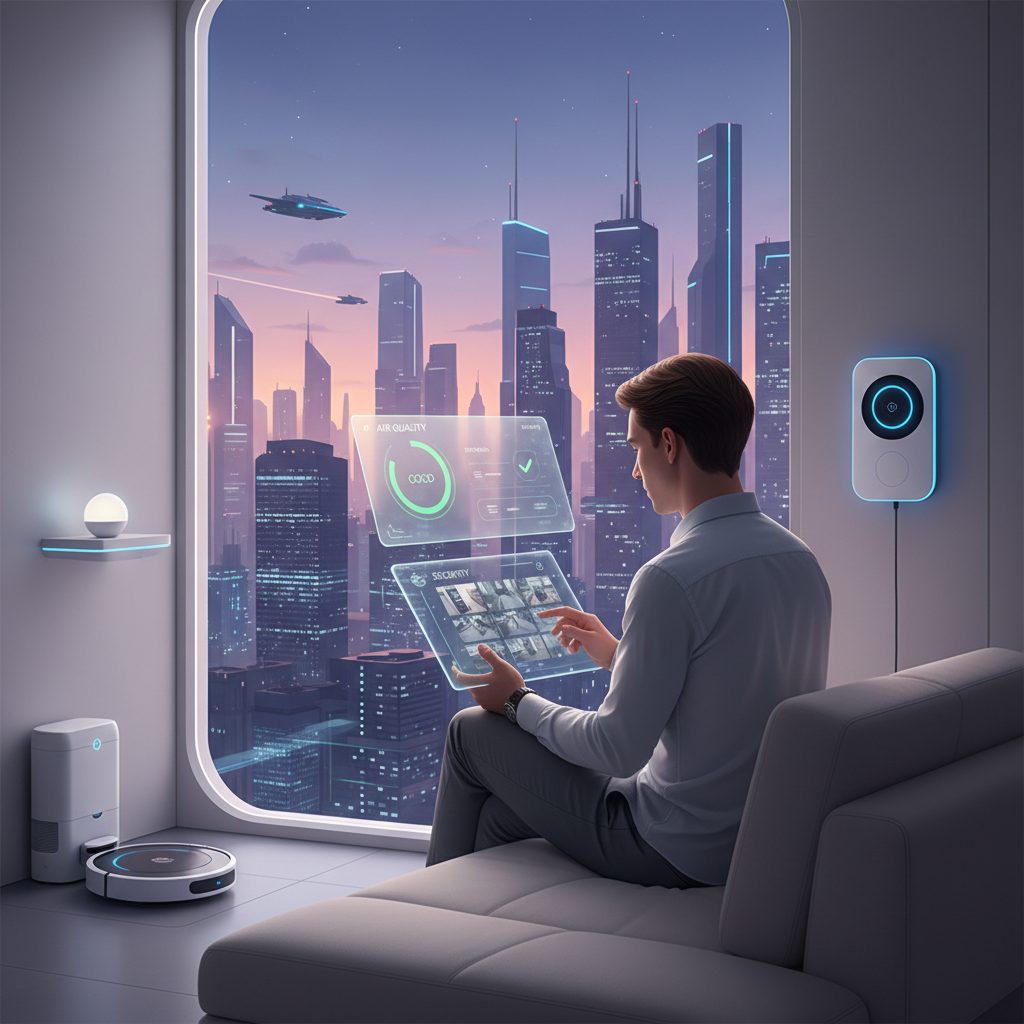
In this deep-dive exploration, we examine how Artificial Intelligence is revolutionizing home care, transforming maintenance from reactive to predictive, and elevating security to unprecedented levels of sophistication.
The Rise of the “Predictive Home”
Traditionally, home maintenance followed a “break-fix” model: you repaired the HVAC when it stopped blowing cold air, or you called a plumber when a leak became visible. In 2026, AI has flipped this script.
1. Predictive Maintenance Algorithms
Modern smart homes are equipped with non-invasive sensors that monitor the “vitals” of household infrastructure. AI models analyze vibration patterns in washing machines, pressure fluctuations in plumbing, and electrical draw in HVAC systems. By comparing this real-time data against millions of hours of performance benchmarks, the system can predict a failure weeks before it occurs.
For the sparklinghomecare.com audience, this means the end of emergency repair costs and the stress of unexpected breakdowns. Your home simply notifies you (or your preferred service provider) that a specific component is nearing its end-of-life, allowing for a scheduled, low-cost replacement.
2. Autonomous Cleaning Ecosystems
Robotic vacuuming was just the beginning. In 2026, autonomous cleaning fleets coordinate with each other. A window-cleaning drone communicates with the interior floor robots to ensure that dust kicked up during exterior maintenance is immediately addressed inside. These systems use AI computer vision to identify different types of surfaces and stains, applying the exact amount of eco-friendly pressure or solvent required—minimizing wear and tear on premium materials like marble or exotic hardwoods.
AI-Enhanced Security: Beyond Cameras and Alarms
Home security in 2026 is no longer about reacting to an intrusion; it is about preventing one through behavioral analysis and environmental intelligence.
1. Behavioral Biometrics and Pattern Recognition
Traditional security systems are easily bypassed by stolen codes or lost keys. AI-driven security uses behavioral biometrics to identify residents by their gait, voice, and even the way they interact with smart locks. The system learns the “rhythm” of your household. If the front door is opened at 3:00 AM by someone whose movement patterns don’t match a resident, the system can enter a heightened state of alert, illuminating the area and notifying security services before a breach even occurs.
2. Virtual Perimeter and Drone Surveillance
For premium estates, AI now manages “Virtual Perimeters.” Using a combination of LiDAR and thermal imaging, the system monitors the property line. If an unauthorized presence is detected, a small, silent surveillance drone can be automatically deployed to provide a live high-definition feed to the homeowner’s device, allowing for visual verification without physical confrontation.
3. Cybersecurity for the Physical Home
As our homes become more connected, they also become targets for digital threats. In 2026, premium home care includes “Network Sanitization.” AI-driven firewalls specifically designed for IoT (Internet of Things) devices monitor for unusual data traffic, isolating any compromised gadget (like a smart fridge or lightbulb) to prevent a lateral attack on your personal computers or security cameras.
The Environmental and Financial Dividend
The integration of AI into home care isn’t just about comfort; it’s a powerful tool for sustainability and wealth preservation.
- Energy Optimization: AI models analyze local weather forecasts, utility pricing, and your family’s daily routine to optimize heating and cooling. In energy-conscious regions like Canada and Poland, this can reduce utility bills by up to 30% while maintaining a perfect indoor climate.
- Water Conservation: Smart leak detection systems can shut off the main water valve the millisecond an irregular flow is detected, preventing the catastrophic financial and structural damage of a burst pipe.
- Insurance Premium Reductions: In 2026, major insurance providers offer significant discounts to homes equipped with certified AI maintenance and security systems, recognizing the drastically lower risk profile of these “Intelligent Residences.”
The Home as a Service
In 2026, we are moving toward a model where the home functions as a service. You no longer “manage” your home; you “curate” your experience within it, while the AI handles the complex logistics of maintenance and protection. This shift allows us to reclaim our most precious resource—time—while ensuring our sanctuaries remain healthy, secure, and sparkling.
The future of home care is intelligent, invisible, and incredibly effective. Welcome to the age of the Autonomous Home.
Smart Home Essentials 2026: Top Picks for Your Autonomous Home
To transform the concepts discussed in this article into reality, we have curated a selection of the most advanced and reliable smart home devices available in 2026. These tools are designed to work together, creating a seamless ecosystem of maintenance, security, and efficiency.
1. Predictive Maintenance & Infrastructure
- Luminix Flow Guard 4.0 (Smart Water Valve):
- Why we chose it: It uses ultrasonic sensors to detect leaks as small as a single drop per minute. The built-in AI learns your home’s water “signature” and can shut off the main valve instantly if a pipe bursts, potentially saving you thousands in structural repairs.
- VoltSense AI Energy Monitor:
- Why we chose it: This non-invasive device clips onto your electrical panel and identifies individual appliances by their electrical “noise.” It predicts when your refrigerator or HVAC compressor is failing before it actually stops working.
2. Autonomous Cleaning Fleet
- SparkleBot X7 Multi-Surface Robot:
- Why we chose it: The X7 is the first robot to feature “Computer Vision 2.0,” allowing it to distinguish between delicate silk rugs and high-traffic hardwood. It adjusts its cleaning pressure and solvent type automatically, ensuring a deep clean without wear.
- AeroPure Steam Drone (Handheld & Docked):
- Why we chose it: For chemical-free sanitization, this high-pressure steam device kills 99.9% of pathogens. It can be used manually for upholstery or docked to run automated sanitization cycles in high-touch areas like kitchens and bathrooms.
3. Advanced Security & Air Quality
- Guardian AR-5 Security Panel:
- Why we chose it: Moving beyond simple cameras, the AR-5 uses behavioral biometrics to recognize residents. It integrates seamlessly with your home’s lighting and audio to create “Active Deterrence”—simulating occupancy and alerting you only when a genuine threat is detected.
- PureAir 360 Molecular Purifier:
- Why we chose it: In 2026, air quality is paramount. This purifier doesn’t just trap dust; it uses molecular breakdown technology to neutralize VOCs and viruses in real-time, providing a constant stream of “forest-grade” air to your home office.
About the Author: Pedro Neto is a freelancer and enthusiast of practical daily solutions. With a keen eye for efficiency and organization, Pedro shares at sparklinghomecare.com the best strategies and techniques to transform home maintenance into a pillar of well-being and success.
Disclaimer: The information in this article is for educational purposes only. While AI systems enhance security and maintenance, they should be used as part of a comprehensive home care strategy involving professional human oversight.