
A comprehensive guide to non-toxic home sanitization and protecting your family’s health
12 de junho de 2026
1. Introduction: The Health Necessity of Green Cleaning
In the modern era, the concept of a “clean home” has undergone a radical transformation. For decades, the hallmark of a sanitized environment was the sharp, stinging scent of bleach or the heavy artificial fragrance of floral aerosols. However, as scientific research into indoor air quality (IAQ) advances, homeowners across the United States and Canada are realizing that these traditional markers of cleanliness often signal the presence of hazardous chemical residues. Eco friendly house cleaning is no longer a niche lifestyle choice or a passing trend; it has become a fundamental health necessity for modern families.
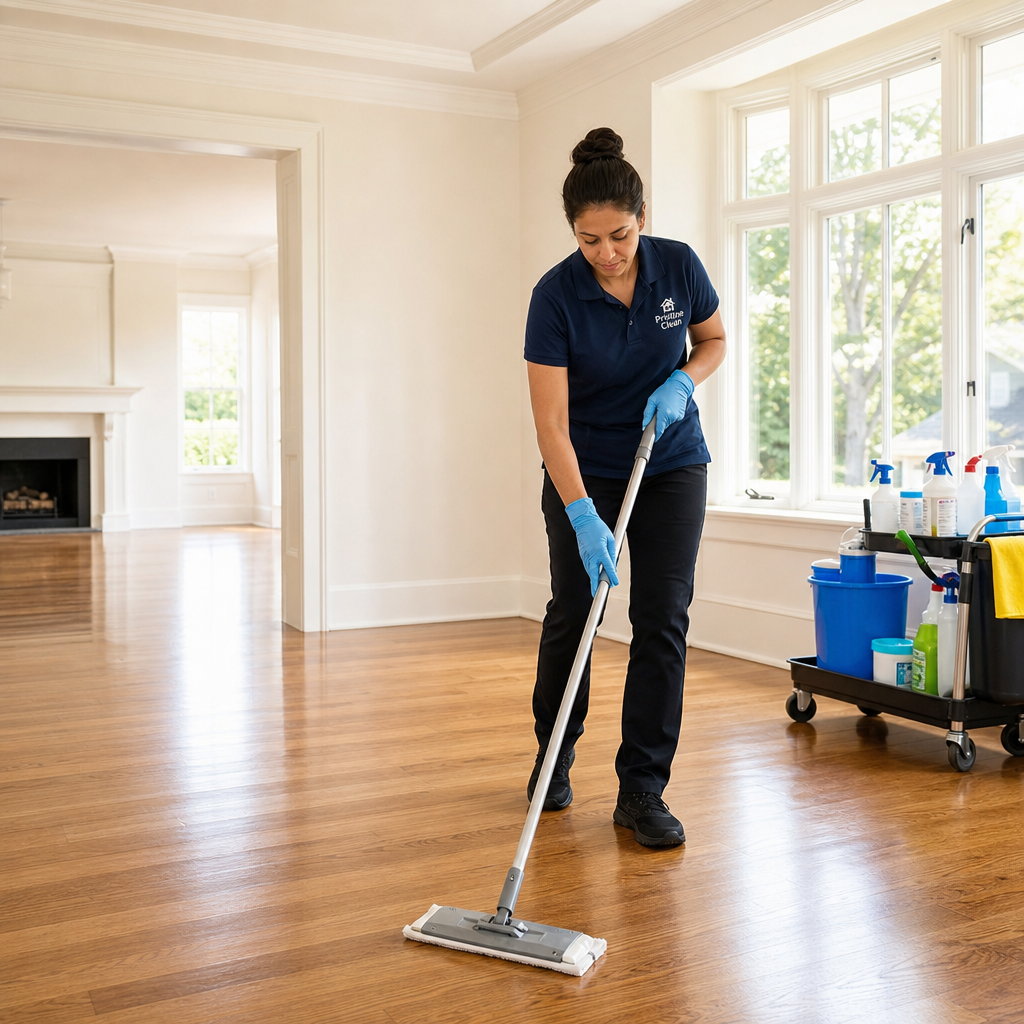
According to the Environmental Protection Agency (EPA), Americans spend approximately 90% of their time indoors, where the concentrations of some pollutants are often 2 to 5 times higher than typical outdoor concentrations. For households with developing children and domestic pets, these statistics are particularly alarming. Children and animals interact with their environment differently than adults—they spend more time on the floor, have faster respiratory rates, and frequently engage in hand-to-mouth (or paw-to-mouth) contact. Consequently, the transition to non-toxic cleaning products is the first line of defense in creating a true sanctuary.
This guide explores the profound impact of natural home sanitization, the hidden dangers lurking in conventional cleaning cabinets, and how professional green janitorial services can elevate the safety standards of your living space. Whether you are recovering from a recent renovation—which may require a specialized Post-Construction Cleaning Checklist: Luxury Home Guide—or simply looking to optimize your daily routine, understanding the science of green cleaning is essential.
2. The Hidden Dangers of Traditional Cleaners
To understand the value of pet safe cleaning solutions, one must first identify the “invisible enemies” found in standard commercial cleaners. Many conventional products contain a cocktail of synthetic chemicals designed for industrial-strength grease cutting or disinfection, but these substances often leave behind persistent residues and off-gas into the air long after the surface looks clean.
2.1 Volatile Organic Compounds (VOCs)
VOCs are gases emitted from certain solids or liquids, including many household cleaning fluids. Common VOCs like phosphorus, nitrogen, and ammonia are primary contributors to poor indoor air quality. In children, chronic exposure to VOCs has been linked to an increased risk of developing asthma and other respiratory conditions. For pets, whose sense of smell is significantly more acute than ours, these vapors can cause immediate distress, nausea, and long-term organ damage.
2.2 Phthalates and Synthetic Fragrances
That “lemon-fresh” or “mountain breeze” scent in your floor cleaner is rarely derived from actual fruit or air. Most synthetic fragrances are stabilized with phthalates, which are known endocrine disruptors. These chemicals can interfere with hormonal development in growing children and have been linked to reproductive issues in domestic animals. Because fragrance formulas are often protected as “trade secrets,” manufacturers are not required to list the specific chemicals used, making non-toxic cleaning products a much safer, transparent alternative.
2.3 Ammonia and Bleach
Ammonia is a powerful irritant that can damage the skin, eyes, and lungs. It is particularly dangerous for pets that linger near floor level. Furthermore, the accidental mixing of ammonia-based cleaners with bleach-based products creates toxic chloramine gas, which can be fatal. By opting for natural home sanitization, you eliminate the risk of these dangerous chemical reactions in your home.
Warning: Pets often groom themselves by licking their paws. If they walk on a floor cleaned with traditional chemicals, they directly ingest those toxins, which can lead to chronic liver and kidney issues over time.
3. EPA Safer Choice and Certifications: Avoiding Greenwashing
As the demand for eco friendly house cleaning grows, so does the practice of “greenwashing”—where companies use misleading labels like “natural” or “earth-friendly” without any scientific backing. To ensure you are truly using pet safe cleaning solutions, you must look for third-party certifications that hold manufacturers to rigorous environmental and safety standards.
| Certification | Organization | What it Guarantees |
|---|---|---|
| Safer Choice | U. |
S. EPA
Ingredients have been screened for human health and environmental safety. Green Seal Green Seal, Inc. Rigorous standards for toxicity, biodegradability, and packaging sustainability. EcoLogo UL Solutions Verified reduced environmental impact throughout the product’s life cycle. Leaping Bunny CCIC Guarantees that no animal testing was used in the development of the product.
When selecting products for your home, prioritize those with the EPA Safer Choice label. This program specifically identifies products that contain the safest possible ingredients for their function. For business owners or those managing large estates, ensuring that your green janitorial services utilize Green Seal certified products is a hallmark of professional-grade safety and environmental stewardship.
4. Room-by-Room Eco-Friendly Guide
Implementing a natural home sanitization strategy requires a tailored approach for different areas of the home. Each room presents unique challenges, especially when balancing the need for deep disinfection with the safety of vulnerable family members.
4.1 Nursery and Playrooms
Infants and toddlers spend a significant portion of their day in direct contact with the floor and their toys. Traditional disinfectants often contain “quats” (quaternary ammonium compounds), which have been linked to skin irritation and respiratory issues. For nurseries, use a mixture of distilled water and white vinegar for hard surfaces, or specialized non-toxic cleaning products that are food-grade safe. For plush toys, a gentle wash with fragrance-free, plant-based detergent is essential to prevent skin rashes.
4.2 The Kitchen: Food-Safe Sanitization
The kitchen is the heart of the home, but it is also a high-traffic zone for bacteria. Many homeowners overcompensate by using harsh degreasers. Instead, utilize citric acid-based cleaners or steam cleaning technology. Steam is one of the most effective eco friendly house cleaning methods, as it kills 99.9% of bacteria and viruses using only water. This is particularly important for countertops where food is prepared and where curious pets might jump.
4.3 Living Areas and Carpets
Carpets act as giant filters, trapping dust, dander, and chemical residues. Traditional carpet shampoos often leave behind a sticky residue that attracts more dirt and can irritate a child’s skin. When cleaning glass or mirrors in these areas, consider the benefits of Professional Window Cleaning: Pure Water Technology, which uses deionized water to achieve a streak-free finish without any chemical detergents.
4.4 Pet Zones: Odor and Stain Removal
Pet accidents require enzymatic cleaners to break down proteins and eliminate odors at the source. Ensure your pet safe cleaning solutions are free from phenol and isopropyl alcohol, which are toxic to cats and dogs. Baking soda remains one of the most powerful natural deodorizers for pet beds and litter box areas, providing effective results without the need for heavy perfumes.
5. The Power of Natural Ingredients: The Science of Clean
Many people doubt the efficacy of natural home sanitization, believing that “natural” equals “weak.” However, the chemistry of basic household ingredients is remarkably effective at tackling even the toughest grime. Understanding the pH scale is key to successful green cleaning.
- White Vinegar (Acetic Acid): With a low pH, vinegar is excellent for dissolving mineral deposits, cutting through soap scum, and inhibiting the growth of certain bacteria and mold.
- Baking Soda (Sodium Bicarbonate): A mild alkali and a gentle abrasive. It is perfect for scrubbing sinks and tubs without scratching the finish, and it chemically neutralizes acidic odors.
- Citric Acid (Lemon Juice): A natural bleaching agent and disinfectant. It is highly effective against hard water stains and provides a natural, safe fragrance.
- Essential Oils: Oils such as tea tree, lavender, and eucalyptus possess natural antibacterial and antifungal properties. When used in appropriate dilutions, they enhance the cleaning power and provide aromatherapy benefits without the dangers of phthalates.
By combining these ingredients, you can create a suite of non-toxic cleaning products that are as effective as their chemical counterparts but cost a fraction of the price and carry zero health risks.
6. Benefits for Allergy and Asthma Sufferers
For the millions of people in North America suffering from allergies and asthma, eco friendly house cleaning is a life-changing intervention. Traditional cleaning chemicals are known “triggers” that can induce immediate bronchial constriction and inflammation. By removing VOCs and synthetic fragrances from the environment, you significantly reduce the “toxic load” on the respiratory system.
Furthermore, green cleaning focuses on the physical removal of allergens—such as dust mites, pollen, and pet dander—rather than simply masking them with scents. High-efficiency particulate air (HEPA) vacuums, often used by professional green janitorial services, trap 99.97% of particles as small as 0.3 microns, ensuring that allergens are removed from the home rather than redistributed into the air. This holistic approach to natural home sanitization creates an environment where children with respiratory sensitivities can thrive.
7. Professional Green Cleaning vs. DIY
While daily maintenance can be handled with DIY solutions, there are times when the expertise of a professional service is required. Deep cleaning, move-in/move-out scenarios, and commercial maintenance demand specialized equipment and high-level training.
Professional green janitorial services bring industrial-grade eco-technology to your doorstep. This includes high-temperature steam vapor systems, microfiber technology that removes bacteria mechanically rather than chemically, and advanced HEPA filtration. If you are a business owner, implementing these standards through The Ultimate Guide to Commercial Office Cleaning ensures that your employees enjoy the same health benefits as your family at home.
Additionally, if you are transitioning between homes, a professional touch is vital. Our Move-Out Cleaning Guide: Secure Your Deposit highlights how a thorough, eco-friendly clean can satisfy even the most stringent landlord inspections while ensuring the next occupants enter a toxin-free environment.
“The goal of green cleaning is not just to remove dirt, but to protect the health of the people living within the walls. It is an investment in longevity and well-being.”
8. Conclusion: Creating a Safe Haven
The journey toward a green cleaning lifestyle is one of the most impactful decisions a homeowner can make for the health of their children and pets. By eliminating VOCs, phthalates, and harsh irritants, you are doing more than just tidying up; you are actively reducing the risk of chronic illness and improving the quality of every breath your family takes.
From choosing non-toxic cleaning products with the EPA Safer Choice label to utilizing the power of natural home sanitization through steam and simple chemistry, the tools for a safer home are within your reach. Whether you choose to manage this transition yourself or partner with professional green janitorial services, the result is the same: a pristine, vibrant, and truly healthy home sanctuary.
At Sparkling Home Care, we are committed to providing the highest standards of eco-friendly service across the US and Canada. By prioritizing pet safe cleaning solutions and sustainable practices, we help you protect what matters most. Start your journey to a greener home today and experience the peace of mind that comes with a truly clean environment.
Pedro Neto
Content Strategist & Green Cleaning Specialist
Local and data: Miami, FL, 12 de junho de 2026
Sobre o Autor (Pedro Neto): Pedro Neto is a specialized freelancer and content strategist for the cleaning and facility management industry. He is an advocate for sustainable living and specializes in non-toxic sanitization protocols for residential and commercial spaces.
Disclaimer: Always test natural cleaning solutions on a small, inconspicuous area first. While eco-friendly products are generally safer, some essential oils can be irritating to specific pet species. Consult your veterinarian for pet-specific safety advice.