

In 2026, the concept of a “clean home” has undergone a radical transformation. We no longer measure cleanliness by the sharp, synthetic scent of bleach or the aggressive foam of industrial detergents. Today, the gold standard of home care is defined by biocompatibility—the harmony between our living spaces, our health, and the global ecosystem. For the conscious resident in North America and Europe, sustainable cleaning is no longer a niche lifestyle choice; it is a sophisticated, tech-empowered necessity.
As we navigate the complexities of environmental preservation and indoor air quality, the tools and techniques we use to maintain our homes have evolved. This guide explores the cutting-edge of eco-friendly home care, providing a comprehensive roadmap for a non-toxic, sustainable sanctuary.
The Shift to Biocompatible Cleaning: Why It Matters Now
The transition to eco-friendly home care is driven by two primary factors: the urgent need to reduce plastic waste and the growing body of evidence regarding the health risks of “Volatile Organic Compounds” (VOCs) found in traditional cleaners.
1. The VOC Crisis and Indoor Air Quality
Traditional cleaning agents often release VOCs—chemicals that vaporize at room temperature and can cause respiratory irritation, headaches, and long-term health issues. In the airtight, energy-efficient homes of 2026, these chemicals can accumulate to dangerous levels. Eco-friendly, non-toxic alternatives prioritize plant-based surfactants and essential oils, ensuring that the air you breathe is as clean as the surfaces you touch.
2. The End of Single-Use Plastic
The “Refill Revolution” has reached its peak in 2026. The era of buying a new plastic bottle every time you run out of glass cleaner is over. Modern sustainable home care relies on concentrated refills and durable, aesthetic glass or aluminum dispensers, drastically reducing the carbon footprint associated with shipping water-heavy products.
High-Tech Sustainability: The Tools of 2026
Eco-friendly cleaning in 2026 is far from primitive. It leverages advanced technology to achieve superior results with minimal environmental impact.
1. Advanced Steam Sanitization
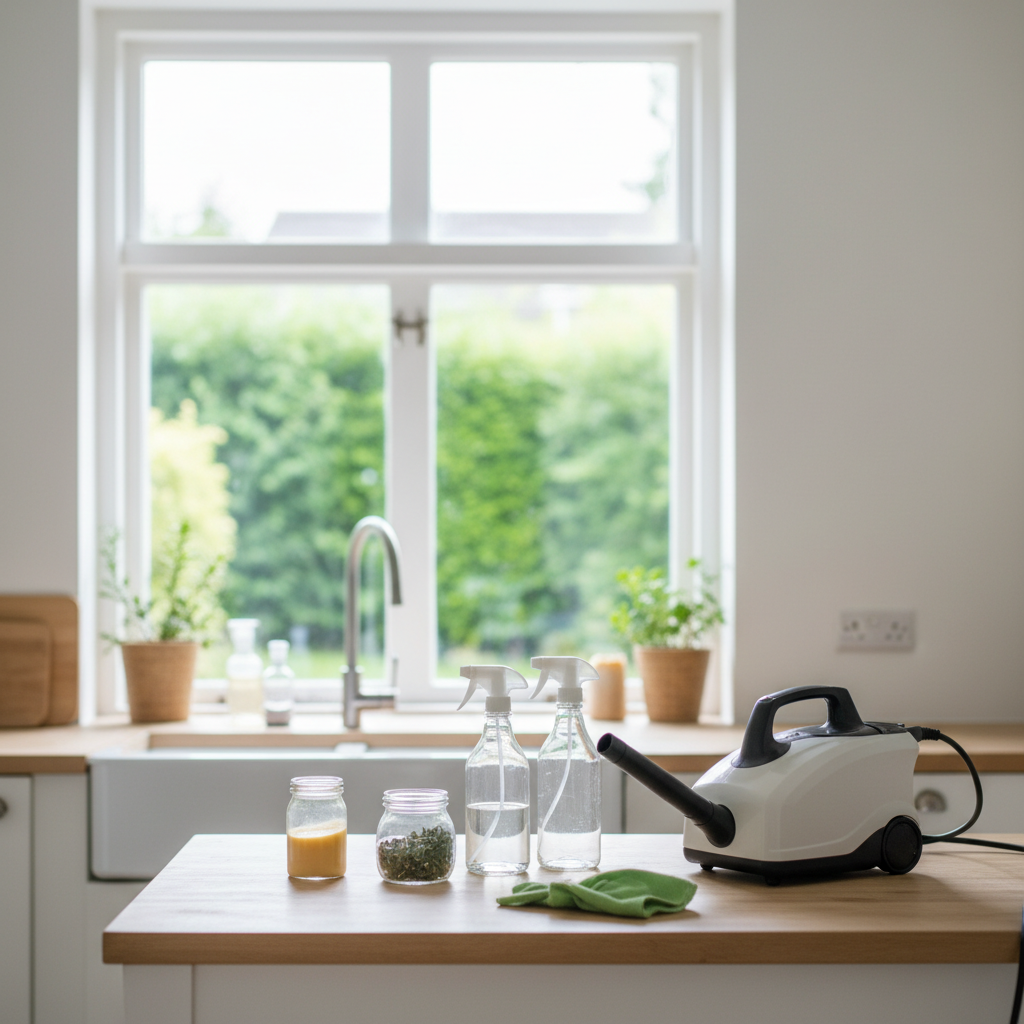
Steam cleaning has become the cornerstone of the non-toxic home. Using only pressurized water heated to over 200°F (93°C), high-tech steam cleaners can kill 99.9% of bacteria, viruses, and dust mites without a single drop of chemical disinfectant. This is particularly vital for the expatriate communities in cities like Warsaw, where historic apartments often require deep sanitization that preserves delicate surfaces.
2. Electrolyzed Water (EO Water)
A breakthrough in sustainable tech, home-based electrolyzed water generators use only salt, water, and a small electric current to create a powerful disinfectant (hypochlorous acid) and a degreaser (sodium hydroxide). It is 100% biodegradable, safe for food-contact surfaces, and can be produced on-demand, eliminating the need for store-bought chemicals.
3. AI-Optimized Resource Management
Smart home systems in 2026 now monitor the usage of cleaning supplies and water. They can alert you when a surface actually needs cleaning—based on sensor data—rather than following a rigid, wasteful schedule. This precision ensures that resources are used only when necessary, embodying the “less is more” philosophy of modern sustainability.
The Non-Toxic Ingredient Toolkit: Nature’s Powerhouse
While technology leads the way, the foundational ingredients of eco-friendly home care remain rooted in nature.
- Citric Acid: Derived from citrus fruits, it is the ultimate weapon against hard water stains and limescale, common in many North American and European water systems.
- Acetic Acid (Vinegar): A versatile cleaner and deodorizer that, when used correctly, replaces almost all multipurpose sprays.
- Sodium Bicarbonate (Baking Soda): A gentle abrasive and powerful neutralizer for odors and tough grime.
- Probiotic Cleaners: A major trend in 2026, these cleaners use “good bacteria” to consume organic waste and pathogens on surfaces, providing a long-lasting biological shield that continues to work for days after application.
A Step-by-Step Guide to Transitioning Your Home
Transitioning to a 100% sustainable home care routine doesn’t happen overnight. Follow this phased approach:
Phase 1: The Audit and Purge
Review your current cleaning cabinet. Identify products with “Danger” or “Poison” labels and research eco-friendly alternatives. Dispose of old chemicals responsibly at local hazardous waste facilities.
Phase 2: Invest in Hardware
Switch to high-quality, reusable dispensers and invest in a versatile steam cleaner. These tools pay for themselves within a year by eliminating the need for disposable products.
Phase 3: Master the Concentrates
Switch to concentrated refills for everything from laundry detergent to floor cleaner. This reduces shipping emissions and saves significant storage space in urban apartments.
Conclusion: A Legacy of Health and Harmony
Eco-friendly home care in 2026 is an act of stewardship. It is the recognition that our homes are not isolated from the world, but deeply connected to it. By choosing non-toxic, sustainable methods, you are protecting your family’s health, supporting ethical innovation, and contributing to a cleaner planet.
A sparkling home should never come at the cost of a healthy earth. In 2026, we finally have the tools to achieve both.
About the Author: Pedro Neto is a freelancer and enthusiast of practical daily solutions. With a keen eye for efficiency and organization, Pedro shares at sparklinghomecare.com the best strategies and techniques to transform home maintenance into a pillar of well-being and success.
Disclaimer: The information in this article is for educational purposes only. Always follow manufacturer instructions for cleaning equipment and test new solutions on a small, inconspicuous area first.