
After a renovation, most homeowners are excited to finally enjoy their “new” home. But before you can relax, there’s an important step that many people underestimate: post‑renovation cleaning.
Done the right way, post‑renovation cleaning removes construction dust, protects new finishes and helps your home feel truly move‑in ready. Done the wrong way, it can leave scratches, stains, lingering dust and even health issues.
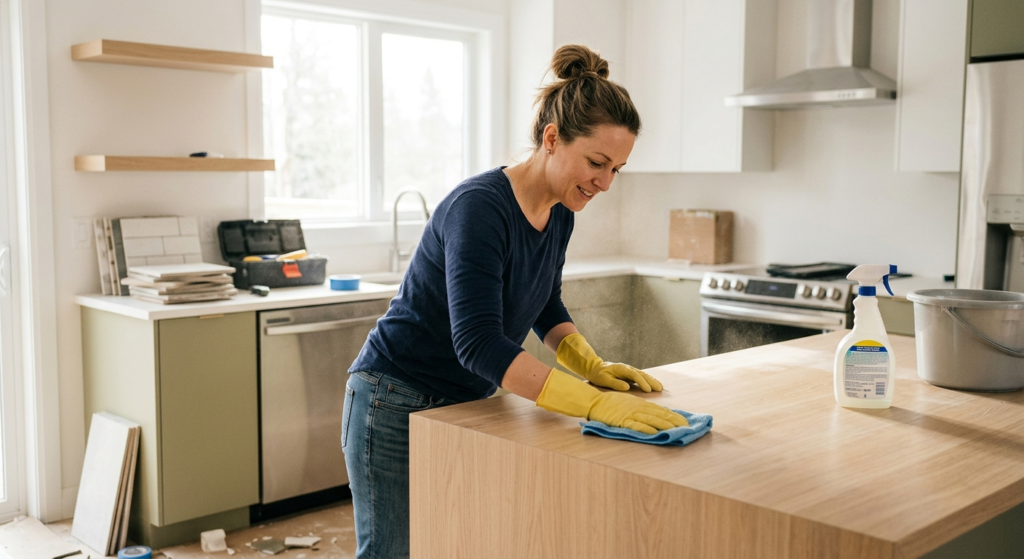
In this guide, you’ll learn the 10 most common post‑renovation cleaning mistakes to avoid — and what to do instead — so you can protect your investment and keep your home looking fresh for years.
If you still don’t have a full plan for your home, start with this:
Post-Renovation Cleaning: Complete Guide to Make Your Home Move-In Ready.
1. Starting with Wet Cleaning Before Removing Dry Dust
One of the biggest mistakes after a renovation is grabbing a mop and bucket right away.
When you add water to construction dust, cement residue and drywall powder, you can:
- spread a thin, cloudy film over your floors and surfaces;
- make dust stick and become harder to remove;
- push dirt into grout lines and corners.
What to do instead
- Always start with dry cleaning: vacuuming, sweeping and dusting from top to bottom.
- Use a vacuum with a HEPA filter if possible to trap fine particles.
- Only after removing as much dry dust as possible should you start wet cleaning.
For a detailed guide on dealing with construction dust throughout your home, see:
How to Remove Construction Dust from Your Home Safely.
2. Using Harsh Chemicals on New Surfaces
Another common mistake is thinking that the stronger the product, the better the cleaning. After a renovation, homeowners sometimes use strong acids, undiluted bleach or industrial degreasers on:
- new tiles and grout;
- fresh paint;
- natural stone countertops;
- new fixtures and metal finishes.
These products can:
- discolor grout;
- etch stone surfaces like marble;
- dull or peel paint;
- damage metal finishes.
What to do instead
- Read the manufacturer’s care instructions for each surface.
- Start with neutral pH cleaners and gentle products.
- Use specialty products only when necessary and always follow dilution instructions.
If you’re unsure which cleaners are safe, this guide will help:
Best Products for Post-Construction Cleaning (Without Damaging Surfaces).
3. Scrubbing with Abrasive Pads or Tools
It’s tempting to grab a rough sponge or steel wool to remove stubborn residue quickly. But abrasive tools can:
- scratch glass shower doors;
- mark stainless steel appliances;
- damage glossy cabinet doors;
- wear down protective coatings on floors.
What to do instead
- Use microfiber cloths, soft sponges and soft‑bristled brushes.
- For stuck‑on paint or adhesive, use a plastic scraper at a low angle.
- Test any tool or product in a small, hidden area first.
This is especially important in sensitive areas like the bathroom. For a safe, detailed approach, see:
How to Clean a Bathroom After Renovation (Step-by-Step).
4. Ignoring the “Top to Bottom” Rule
Many people start cleaning floors first because they look visibly dirty. But if you do that and then dust shelves, cabinets and light fixtures, all that dust falls back onto freshly cleaned floors.
What to do instead
Always follow this order:
- ceilings, light fixtures and vents;
- upper walls and high shelves;
- cabinets, countertops and mid‑level surfaces;
- baseboards and lower walls;
- floors (sweep/vacuum, then mop).
This rule applies in every room — especially in kitchens and bathrooms that just went through a renovation.
For the kitchen, follow this detailed guide:
How to Clean a Kitchen After Renovation (Cabinets, Countertops, Appliances).
5. Forgetting Hidden and Hard-to-Reach Areas
It’s easy to focus on what you see: shiny tiles, new cabinets, fresh paint. But construction dust also hides in:
- inside cabinets and drawers;
- behind and under appliances;
- inside closet shelves;
- window tracks and door frames;
- exhaust fans and vents.
Ignoring these areas can cause dust to keep circulating and resettling for weeks.
What to do instead
- Remove drawers and shelves when possible and clean inside cabinets thoroughly.
- Carefully move appliances (if safe) to vacuum behind and underneath.
- Clean vents, fans and window tracks with a vacuum and a small brush.
For a room‑by‑room walkthrough that includes hidden areas, use:
Post-Renovation Cleaning Checklist: Room-by-Room Guide.
6. Mixing Different Cleaning Products
Some people believe that combining products will create a “super cleaner” that works faster. This is not only unnecessary — it can be dangerous.
Mixing products like bleach and acids (including vinegar) can release toxic gases. Other combinations may irritate your skin, eyes and lungs.
What to do instead
- Use one product at a time, following the label instructions.
- Never mix bleach with acids, ammonia or unknown cleaners.
- If you want to switch products, rinse the area with clean water first and ventilate well.
When in doubt, choose the gentler option and test it in a small area before using it widely.
7. Treating All Floors the Same Way
After a renovation, floors often look similar — dusty and dull. But their material matters a lot:
- tile;
- wood;
- vinyl;
- laminate;
- natural stone.
Cleaning all of them with the same product or method can lead to:
- warped wood or laminate from excess water;
- damaged finishes from harsh chemicals;
- slippery surfaces if wrong products are used.
What to do instead
- Identify your floor type in each room.
- Use a cleaner formulated for that specific material.
- Avoid soaking wood and laminate; use a damp (not wet) mop.
- Rinse if the product label recommends it.
For a detailed guide by floor type, read:
How to Clean Floors After Renovation (Tiles, Wood, Vinyl and Laminate).
8. Trying to Clean the Whole House Perfectly in One Day
After weeks or months of renovation, you may feel pressure to make everything perfect as fast as possible. But trying to deep clean the entire house in one long, exhausting session often leads to:
- rushed work and missed spots;
- using too much force or the wrong products due to fatigue;
- giving up halfway through.
What to do instead
- Divide your home into zones (kitchen, bathrooms, bedrooms, living areas).
- Plan cleaning over several days, starting with the most used rooms.
- Combine a solid post‑renovation plan with an ongoing weekly routine.
If you’re unsure how to balance deep cleaning and maintenance, this article helps:
Deep Cleaning vs. Regular Cleaning: What’s the Difference and When to Use Each.
And once the heavy work is done, a simple weekly checklist keeps everything under control:
Weekly Cleaning Routine: Simple Checklist to Keep Your Home Always Fresh.
9. Skipping Ventilation During and After Cleaning
Because of dust and strong smells, some people keep doors and windows closed “to control the mess”. That can concentrate dust and fumes in the air and make cleaning more uncomfortable.
What to do instead
- Open windows and doors whenever weather and safety allow.
- Use exhaust fans in kitchens and bathrooms.
- Take short breaks in fresh air if you’re cleaning for a long time.
- Consider using an air purifier with a HEPA filter if you or someone in your home has allergies or asthma.
Good ventilation is especially important when cleaning spaces like bathrooms and kitchens after renovation, where stronger products may be used.
10. Not Following Up with a Weekly Cleaning Routine
Many homeowners do one big post‑renovation deep clean and then go back to old habits. But renovation dust can settle for days or weeks, and new surfaces need regular care.
Without a routine, you may notice:
- dust returning quickly on surfaces and floors;
- grout and silicone getting dirty faster;
- fingerprints and smudges becoming permanent marks.
What to do instead
- Accept that you’ll likely need several light cleanings in the weeks after renovation.
- Put a simple weekly routine in place for the whole home, with special attention to renovated areas.
- Focus on dusting, vacuuming and wiping key surfaces regularly.
Here is a complete weekly plan you can adapt to your home:
Weekly Cleaning Routine: Simple Checklist to Keep Your Home Always Fresh.
Final Thoughts: Turn Your Renovated House into a Truly Clean Home
A successful renovation is not just about new tiles, paint and fixtures. It’s also about how clean, healthy and comfortable your home feels when the work is finished.
By avoiding these 10 common post‑renovation cleaning mistakes and following the “what to do instead” tips, you will:
- protect your financial investment;
- extend the life and beauty of your finishes;
- reduce dust and allergens in the air;
- enjoy a home that finally feels truly move‑in ready.
If you haven’t yet, combine this article with your full step‑by‑step plan:
Post-Renovation Cleaning: Complete Guide to Make Your Home Move-In Ready.
About the Author
About the Author
Pedro Neto is a home cleaning and organization enthusiast who helps homeowners transform freshly renovated spaces into truly move‑in ready homes. With practical experience in post‑renovation and deep cleaning, he shares clear, step‑by‑step tips to protect your finishes, improve your family’s comfort and keep every room clean and welcoming on a daily basis.
Disclaimer
Disclaimer
The content on this website is for informational purposes only and does not replace professional advice from cleaning, construction, health or safety experts. Before using any product, tool or technique for post‑renovation or house cleaning, always read the manufacturer’s instructions and, when in doubt, consult a qualified professional. The use of any information provided here is the sole responsibility of the reader.