
A Strategic Approach to Workplace Hygiene, Compliance, and Business Performance
12 de junho de 2026
1. Introduction: The Modern Office as a Hub of Productivity
In the contemporary business landscape of the United States and Canada, the physical office has evolved from a mere collection of desks into a strategic hub for collaboration, innovation, and corporate culture. However, the foundation of this hub is often overlooked: the environment’s physical state. A commercial cleaning company is no longer just a line item in the facility budget; it is a critical partner in maintaining the company’s most valuable asset—its people. The impact of cleanliness on employee morale is profound. When a workspace is pristine, it signals to the workforce that the organization values their well-being and professional dignity. Conversely, a neglected office can foster a sense of apathy, leading to a decline in overall workplace hygiene standards and, subsequently, performance.
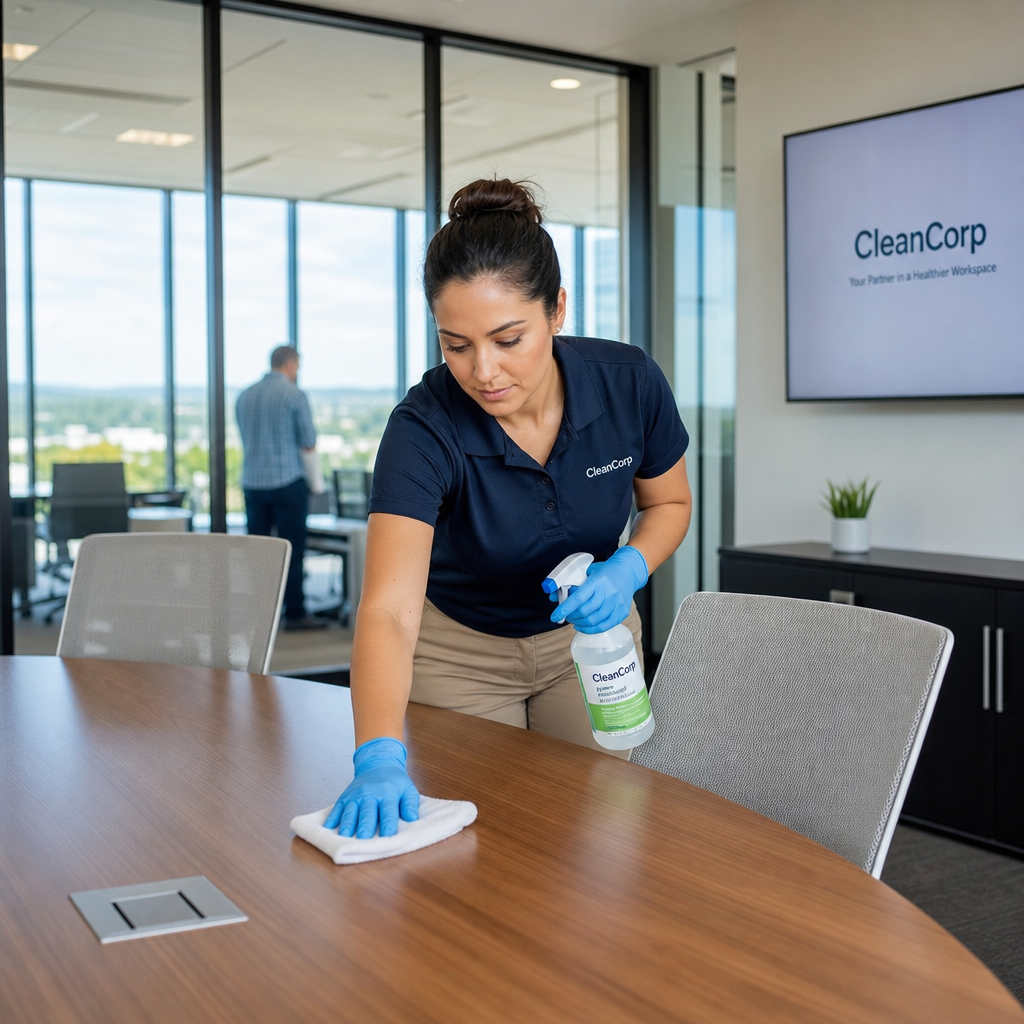
The relationship between a clean environment and the bottom line is direct and measurable. Beyond the aesthetic appeal, a rigorous facility maintenance checklist ensures that the infrastructure remains functional and that health risks are mitigated. In a post-pandemic world, the definition of “clean” has shifted from “looking tidy” to “being biologically safe.” This transition requires a sophisticated understanding of office disinfection protocols that go beyond surface-level dusting. As we explore this guide, we will examine how strategic cleaning investments transform the office into a high-performance engine, reducing liability and enhancing the brand’s reputation among clients and employees alike.
For organizations currently undergoing transitions, such as moving into a newly renovated space, it is essential to start with a clean slate. Specialized services like the Post-Construction Cleaning Checklist: Luxury Home Guide provide a blueprint for removing industrial dust and debris that standard janitorial services might miss, ensuring the transition to a new office is seamless and healthy from day one.
2. The ROI of Cleanliness: Health, Wealth, and Presenteeism
The economic impact of office hygiene is often quantified through the lens of sick days. According to data from the Bureau of Labor Statistics and various health organizations in North America, the average worker loses approximately 7 to 9 days per year to illness, costing employers billions in lost productivity. However, a more insidious threat to the bottom line is “Presenteeism”—the phenomenon where employees are physically present at their desks but functioning at a fraction of their capacity due to allergies, minor respiratory issues, or the psychological stress of a cluttered, dirty environment.
Investing in high-quality office janitorial services directly combats these issues. By reducing the viral load on surfaces and improving indoor air quality, companies can see a significant reduction in the transmission of common illnesses like the flu or the common cold. Furthermore, a clean office reduces the prevalence of allergens such as dust mites and mold, which are major contributors to brain fog and fatigue. When employees breathe cleaner air and work in a sanitized space, their cognitive function improves, leading to sharper decision-making and higher creative output.
The Return on Investment (ROI) also extends to the longevity of the facility itself. Regular maintenance prevents the premature wear and tear of expensive assets. For instance, consistent carpet care and window maintenance prevent the buildup of corrosive materials. To understand the technical side of maintaining high-value exterior assets, businesses should consult the Professional Window Cleaning: Pure Water Technology guide, which explains how advanced filtration prevents long-term glass degradation.
3. Office Disinfection Protocols: Beyond the Surface
Effective office disinfection protocols require a targeted approach based on the science of cross-contamination. It is not enough to wipe down a desk; one must identify and neutralize high-touch surfaces—the “hot zones” where pathogens congregate. In a typical office, these include elevator buttons, stair railings, coffee pot handles, microwave touchpads, and shared printer screens. A professional commercial cleaning company utilizes EPA-approved disinfectants that have specific “dwell times”—the amount of time a product must remain wet on a surface to effectively kill 99.9% of germs.
The Standard Operating Procedure (SOP) for sanitization should follow a “top-down” and “clean-to-dirty” flow. This prevents the re-contamination of areas that have already been treated. For example, dusting should always precede floor cleaning, and restrooms should be cleaned using dedicated tools that never enter the breakroom or individual cubicles. Color-coded microfiber cloths are a hallmark of professional workplace hygiene standards, ensuring that a cloth used to sanitize a toilet is never used on a boardroom table.
Moreover, the choice of chemicals is vital. Many traditional cleaning agents contain Volatile Organic Compounds (VOCs) that can trigger asthma or headaches. Forward-thinking companies are increasingly opting for sustainable solutions. You can learn more about these healthier alternatives in our Green Cleaning 101: Eco-Friendly Services article, which details how to maintain a sterile environment without compromising indoor air quality.
4. Facility Maintenance Checklist: A Tiered Approach
To maintain a consistent standard of excellence, a facility maintenance checklist must be divided into daily, weekly, and periodic tasks. This ensures that no detail is overlooked and that the cleaning staff can manage their time efficiently.
4.1 Daily Tasks: The Foundation of Hygiene
- Trash and Recycling Removal: Emptying all bins and replacing liners to prevent odors and pest attraction.
- Restroom Sanitization: Deep cleaning of toilets, urinals, sinks, and mirrors. Refilling soap, paper towels, and toilet tissue.
- Floor Care: Vacuuming high-traffic carpeted areas and sweeping/mopping hard floors with disinfectant.
- Breakroom Cleaning: Sanitizing countertops, sinks, and tables. Wiping down the exterior of appliances.
- High-Touch Point Disinfection: Wiping down door handles, light switches, and elevator buttons.
4.2 Weekly Tasks: Deepening the Clean
- Detailed Floor Maintenance: Vacuuming edges, corners, and under furniture. Buffing hard floors to maintain shine.
- Dusting and Polishing: Cleaning window ledges, picture frames, and baseboards. Polishing wooden furniture and stainless steel surfaces.
- Upholstery Care: Spot-cleaning office chairs and lobby sofas to remove stains and allergens.
- Glass Cleaning: Removing fingerprints and smudges from glass partitions and internal doors.
4.3 Monthly and Quarterly Tasks: Long-Term Preservation
- HVAC Vent Cleaning: Dusting and vacuuming air vents to ensure optimal airflow and reduce dust circulation.
- Floor Stripping and Waxing: For VCT or stone floors, a quarterly strip and wax prevents permanent staining and maintains a professional appearance.
- Deep Window Washing: Cleaning the exterior and interior of all windows to maximize natural light.
- Carpet Extraction: Using hot water extraction (steam cleaning) to remove deep-seated dirt and bacteria from carpet fibers.
5. Compliance and Standards: OSHA and Canadian Regulations
In the United States, the Occupational Safety and Health Administration (OSHA) sets strict guidelines for workplace cleanliness under the General Duty Clause and specific standards like 29 CFR 1910.141 (Sanitation). These regulations mandate that workplaces be kept clean, orderly, and in a sanitary condition. Failure to comply can lead to significant fines and legal liability, especially if an unsanitary environment leads to a documented outbreak of illness or a slip-and-fall accident.
In Canada, the Canadian Centre for Occupational Health and Safety (CCOHS) provides similar oversight. Each province has its own specific health and safety acts, but the core requirement remains the same: employers must provide a safe and healthy work environment. This includes proper waste management, clean drinking water, and sanitary washroom facilities. Adhering to these workplace hygiene standards is not just about avoiding penalties; it is about demonstrating corporate responsibility and protecting the workforce from preventable hazards.
A professional commercial cleaning company should be well-versed in these regulations. They must provide Safety Data Sheets (SDS) for all chemicals used on-site and ensure that their staff is trained in the proper handling of biohazards or chemical spills. This level of compliance is particularly important during transitions, such as moving out of a leased space. To ensure you meet all contractual and legal obligations during a move, refer to our Move-Out Cleaning Guide: Secure Your Deposit.
6. Specialized Cleaning for Tech and Breakrooms
Modern offices are filled with sensitive electronics that require specialized care. Standard cleaning sprays can damage LCD screens, keyboards, and server components. Professional office janitorial services use anti-static cloths and specialized electronic cleaners that evaporate quickly without leaving residue. Dust buildup inside computers and servers can lead to overheating and hardware failure, making regular dusting of tech areas a matter of IT security and business continuity.
The breakroom is another area requiring a specialized approach. As a food preparation zone, it is a primary site for bacterial growth. Refrigerators should be cleaned out weekly to prevent mold, and coffee machines must be descaled and sanitized to prevent the growth of biofilm. Using food-grade sanitizers in these areas is essential to ensure that the cleaning process itself does not introduce harmful toxins into the food supply chain.
7. Choosing the Right Commercial Cleaning Company
Selecting a commercial cleaning company is a high-stakes decision. A low-cost provider may save money in the short term but can cost thousands in damaged assets or increased employee illness. When vetting a partner, consider the following criteria:
- Insurance and Bonding: Ensure the company carries comprehensive general liability insurance and workers’ compensation. This protects your business from liability in case of accidents on your property.
- Background Checks: Since cleaning crews often work after hours, it is vital that the company performs rigorous criminal background checks on all employees.
- Training and Certification: Look for companies with certifications from organizations like the ISSA (International Sanitary Supply Association) or those that follow Green Seal standards.
- Customized Service Agreements: Avoid “one-size-fits-all” contracts. A reputable company will perform a site walkthrough and create a facility maintenance checklist tailored to your specific square footage, floor types, and occupancy levels.
8. Conclusion: Cleanliness as a Core Business Strategy
In conclusion, the state of your office is a direct reflection of your company’s values and operational discipline. By implementing rigorous office disinfection protocols and maintaining high workplace hygiene standards, you are doing more than just “cleaning”—you are investing in the health, happiness, and productivity of your team. The ROI of a clean office is found in every focused hour of work, every reduced sick day, and every client who walks through your doors and is impressed by your professionalism.
Whether you are managing a small boutique firm or a large corporate headquarters, the principles of facility maintenance remain the same. Consistency, compliance, and a commitment to quality are the hallmarks of a successful environment. As you look to the future, consider your cleaning strategy not as an expense to be minimized, but as a foundational element of your business success. A clean office is a productive office, and a productive office is the engine of growth in the competitive North American market.
Sobre o Autor (Pedro Neto): Pedro Neto is a specialized freelancer and content strategist for the cleaning and facility management industry. He provides strategic insights for businesses looking to optimize their workplace hygiene and operational efficiency.
Disclaimer: The information in this article is for informational purposes. Sparkling Home Care recommends hiring licensed and insured commercial cleaning companies to ensure compliance with local health and safety regulations.